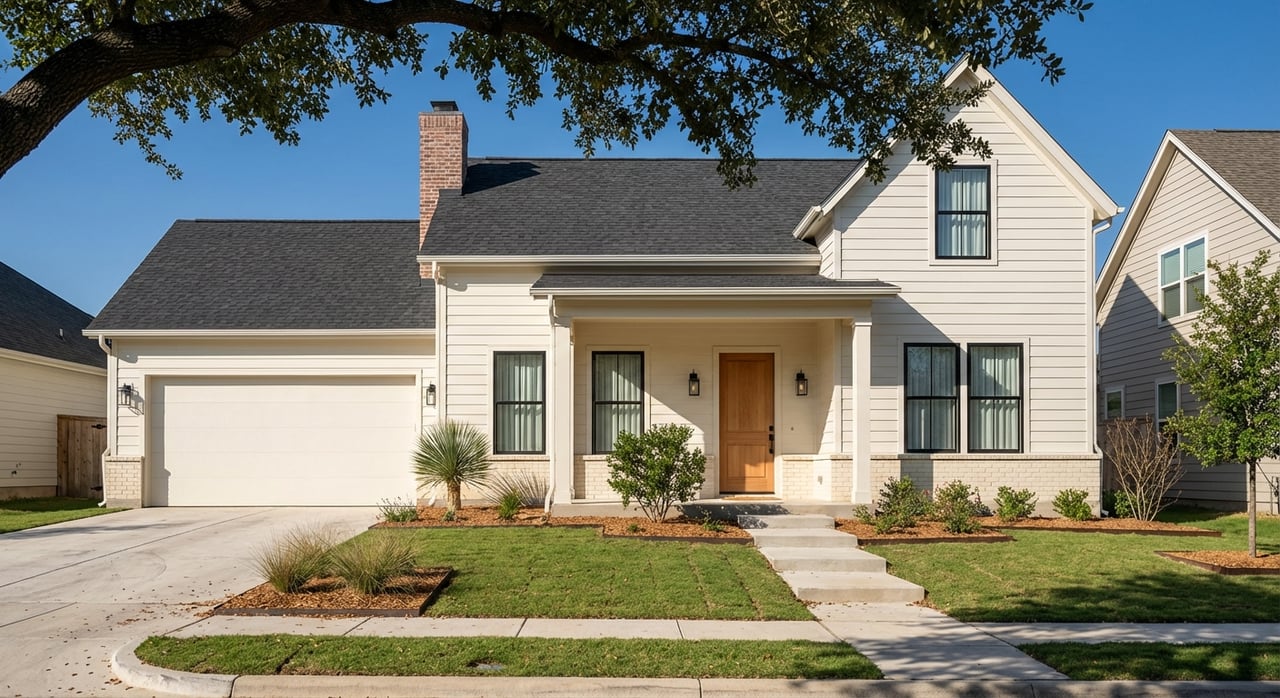
Your Guide to East Austin New Construction Homes
February 19, 2026
February 19, 2026
Is a sleek new townhome near downtown worth the premium, or would a move‑in ready single‑family home out by SH‑130 fit your life better? If you are eyeing Austin’s eastern corridor, you face two solid but very different new‑construction paths. You want clarity on prices, timelines, builders, and what to watch for before you sign. This guide breaks it down and gives you a simple plan to compare options with confidence. Let’s dive in.
When locals talk about Austin’s eastern corridor, they usually mean the neighborhoods and growth areas east and east‑southeast of I‑35. That includes East Austin, East Riverside and Montopolis, the Mueller district, and master‑planned communities spanning Manor, Mustang Ridge, and the Del Valle and ABIA area. You will find everything from close‑in infill a few miles from downtown to production communities 10 to 25 miles out.
The corridor is shaped by a few key roads. I‑35, US‑290, SH‑71, and the tolled SH‑130 carry most commuters. Travel times can swing a lot by time of day. For context, the mean commute in Travis County is about 25.4 minutes, but you should expect longer times during weekday peaks depending on your route and schedule. You can explore the overall commute picture using the U.S. Census QuickFacts for Travis County at the mean travel time reference from Census QuickFacts.
If you want a walkable, central lifestyle, the closer‑in submarkets like Mueller and parts of East Riverside deliver. New townhomes and stacked flats here often run roughly 600k to 950k depending on size and finish. Mueller, in particular, has shown recent median pricing in the high 700k to high 800k range in neighborhood snapshots, and you can review current listings on the Mueller neighborhood page.
What you gain: proximity to central Austin, active parks, and mixed‑use settings. What you trade: lot size and entry price. These areas tend to reward buyers who value shorter trips to dining and events more than backyard size.
If value per square foot and a garage for two cars top your list, head toward Manor, Del Valle, and Mustang Ridge along US‑290 and SH‑130. Production builders often advertise starting prices from the mid‑200k to mid‑400k range for base models, with premiums for larger plans and lots. You can browse active examples like D.R. Horton offerings in Manor, such as Palomino or Monarch Ranch, then verify live pricing on the day you shop.
Del Valle and the southeast corridor near ABIA usually offer competitive entry points too, commonly in the low‑300k to 400k range for move‑in ready homes depending on lot size and finishes. Monthly costs can vary with special districts, so factor MUD or PID assessments and tax rates into your budget early. The tradeoff here is longer commutes for some buyers, balanced by newer construction at more accessible price points.
Most new builds in the eastern corridor follow a familiar set of floorplans and features designed for everyday function.
Typical plan ranges you will see:
You can scan common plan footprints and inclusions by reviewing a builder’s community page, such as the Trails at Wildhorse page for examples of plan ranges and features.
Often‑included features and upgrades:
Your daily drive matters. In Travis County the mean travel time is about 25.4 minutes, but actual times vary widely by route and peak hour. East‑side commuters rely on I‑35, US‑290, SH‑71, and SH‑130, so test your trip during the hours you plan to travel. Many buyers blend a hybrid work schedule with an SH‑130 route to manage time and tolls.
Watch public projects that could shape future access and walkability. The City’s East Riverside Corridor is getting mobility upgrades and a regulating plan that supports mixed‑use redevelopment. You can read about current work and goals in the East Riverside mobility program. The City‑owned Grove‑Riverside site, about 125 acres near a future light‑rail station, is in early planning and could influence land use and housing choices over time. Austin’s planned urban rail under Project Connect is also a long‑range factor, with an alignment that will run through portions of East Riverside. Keep up with the urban rail overview as plans evolve.
Model‑home reps work for the builder. To protect your interests, sign a written buyer‑representation agreement and request the TREC Information About Brokerage Services notice at your first substantive contact. You can view the IABS details on the TREC website. Your agent can help with comparisons, contract terms, and warranty follow‑through.
Spec or quick move‑in homes offer shorter timelines and often the most leverage because builders want to sell completed inventory. Presale or semi‑custom builds let you personalize, but they come with longer timelines, larger option windows, and possible change orders. Compare total cost and delivery date, not just the base price.
Even brand‑new homes benefit from third‑party eyes. Schedule independent inspections at pre‑foundation if applicable, pre‑drywall, and before closing. Keep a written punch list, and confirm how the builder handles follow‑up items and warranty tickets.
The base plan is only part of the story. Your final price can move with lot premiums, structural options, and design‑studio upgrades. Incentives like closing cost credits, appliance packages, or temporary rate buydowns can be valuable but often require the preferred lender. Have your agent and an independent lender compare the net cost, which includes fees, rate differences, and buydown terms.
Unique lots and elevations can outpace available comparable sales, which may create appraisal gaps with lender financing. Ask your agent to prep recent new‑home comps and to explain the lender’s new‑construction appraisal policy. Build a cushion in your budget or have a plan to negotiate if a gap appears.
Many newer east‑side communities sit inside Municipal Utility Districts or Public Improvement Districts. These add assessments that may appear on your property tax bill and affect monthly escrow. Before you commit, confirm the parcel’s taxing entities, request the latest tax bill and any district budget summaries, and ask for a recent sample utility bill if water or sewer is district‑operated.
Most production builders offer staged warranties that commonly follow a 1‑2‑10 structure for workmanship, systems, and structural coverage. Ask for the full warranty document, note claim deadlines, and save service contacts. Put post‑closing requests in writing and track completion.
If you want help comparing a Mueller townhome to a Manor or Del Valle single‑family, you are not alone. A clear side‑by‑side on price, timeline, taxes, commute, and future area plans will show which path fits your life best. When you are ready, reach out to Kaili Cox for local guidance and a smooth, concierge experience from first look to closing.
Stay up to date on the latest real estate trends.


Get assistance in determining current property value, crafting a competitive offer, writing and negotiating a contract, and much more. Let me guide you through your home-buying journey.

Pine Tree Realty Group
10222 Pecan Park Blvd Ste. 10 Austin, TX 78729