Living in East Austin’s Creative Corridor: A Daily Life Guide
June 4, 2026
June 4, 2026
If you want an Austin lifestyle that feels creative, connected, and easy to live in day to day, East Austin’s creative corridor deserves a closer look. This part of the city blends historic streets, cultural districts, coffee spots, parks, and strong downtown access in a way that feels active without being one-note. Whether you are thinking about moving closer to central Austin or simply want to understand what everyday life looks like east of I-35, this guide will walk you through the rhythm of the area. Let’s dive in.
In practical terms, the easiest way to think about East Austin’s creative corridor is the area east of I-35, with East 12th, East Cesar Chavez, Govalle, and Springdale as key reference points. City materials describe East Austin as a layered east-side story rather than a single neighborhood, which helps explain why the area feels varied from block to block.
The historic core is often outlined by I-35, Manor Road, Pleasant Valley Road and the MetroRail line, and Lady Bird Lake. Within that broader area, the City of Austin highlights East 12th Street, East Cesar Chavez, and Govalle as active cultural anchors with community identity, public art, local business activity, and creative programming.
East Austin’s reputation for creativity is backed by formal city designations, not just local buzz. The City’s Economic and Cultural District program identifies the Govalle Cultural District along Springdale Road, recognizes East 12th Street as part of the African American Cultural Heritage District, and describes East Cesar Chavez as one of Austin’s oldest districts.
That matters because it shapes the feel of daily life. You are not just near restaurants or coffee shops. You are in an area with historic business corridors, arts and cultural assets, small public spaces, and long-standing community identity woven into the street grid.
City preservation materials add even more context. Potential historic districts in East Austin make up less than 1% of Austin’s land area but contain more than 7% of the city’s local arts and cultural assets, which helps explain why this part of town carries so much cultural weight.
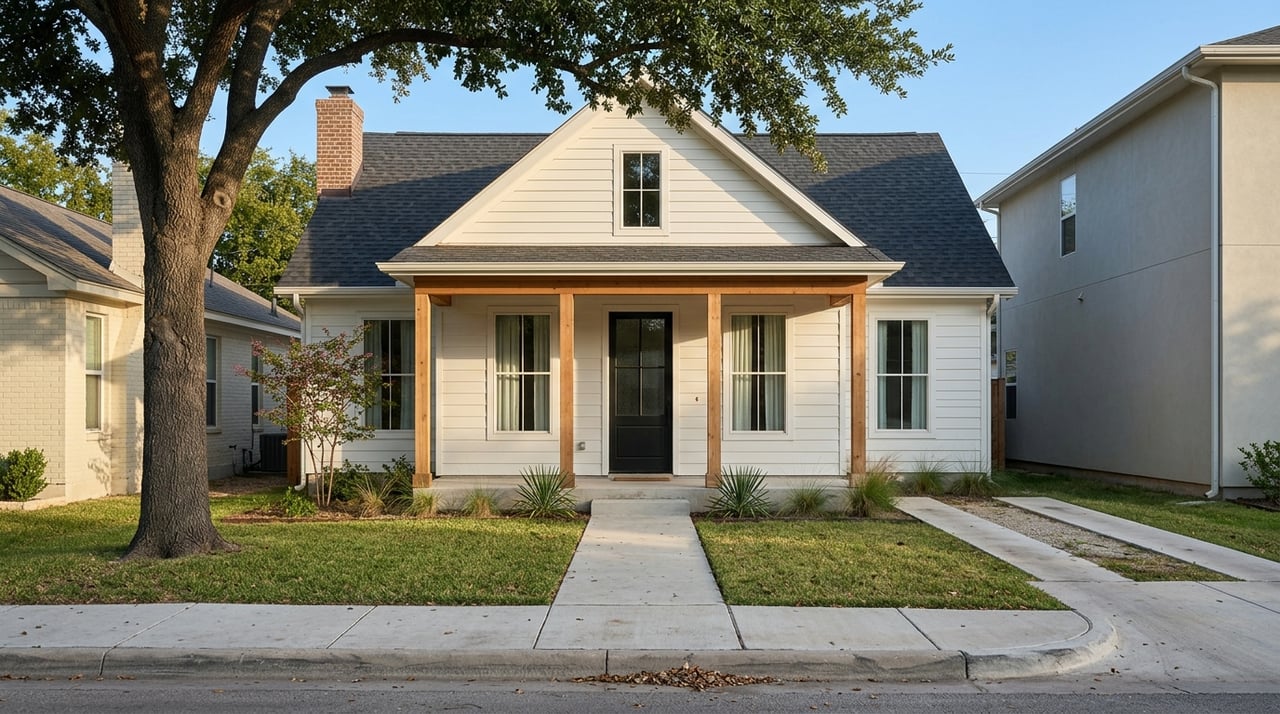
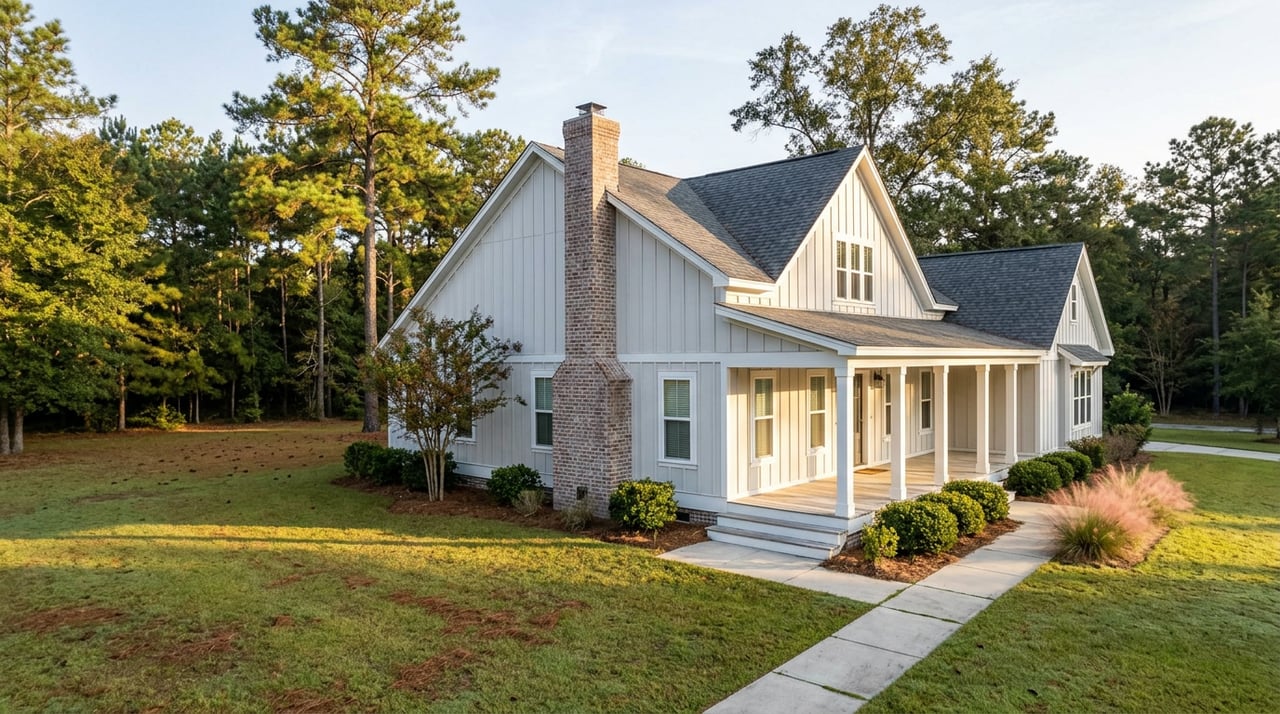
If you enjoy homes with texture and a sense of place, East Austin offers a built environment that stands out from more uniform suburban areas. The East Austin historic survey notes that bungalows are the most common early-20th-century house type in the area, along with pyramidal or hipped cottages and other vernacular homes.
That shows up in the streetscape. In many pockets, you will notice modest porches, smaller footprints, mature trees, and a patchwork of preserved and updated properties that give the corridor a layered look.
The survey also notes that historic loss has been heaviest along the East 11th and East 12th commercial arterials and the strip between them. More intact concentrations remain along East 13th and 14th streets and along East 9th, East 10th, and San Bernard, which helps explain why some blocks feel more historic than others.
East Austin is not frozen in time. New infill is also part of the housing story, especially in Govalle and nearby east-side pockets where the city is supporting broader homeownership options.
One example is Mira in Govalle, which opened in January 2026 as a mixed-income missing-middle townhome community. The project includes 12 three-story duplex townhomes, and the city described it as thoughtful infill designed to broaden homeownership options while staying rooted in the neighborhood.
For buyers, that means East Austin can offer a wider housing mix than you might expect at first glance. Depending on the block and sub-area, you may find older detached homes, updated cottages, or newer townhome-style opportunities that fit a more central lifestyle.
One of the easiest ways to understand daily life in East Austin is to look at where people gather on ordinary weekdays. Coffee culture is a real part of the area’s appeal, especially if you work remotely, like flexible meeting spots, or enjoy neighborhoods with places to linger.
Bennu Coffee East is known as a 24-hour neighborhood coffee shop with Wi-Fi and large workspaces. The Brew & Brew describes itself as an old-school East Austin coffee shop, bar, and all-day cafe, while Cenote identifies as an East Austin restaurant and bar on East 7th.
Mercado Sin Nombre adds another dimension to the local mix with a focus on Mexican heirloom corn and specialty Mexican coffee. Together, these spots reflect something important about the corridor: it supports both grab-and-go routines and slower, more social daily habits.
Dining in East Austin is best described as eclectic. Instead of one single food identity, the area brings together neighborhood restaurants, casual gathering spots, and destination dining in a compact, easy-to-explore part of the city.
Suerte describes itself as an award-winning restaurant in the heart of East Austin centered around masa. De Nada Cantina highlights handmade tortillas in a greenhouse setting on East Cesar Chavez, and Il Brutto offers a neighborhood Italian experience on East 6th with handmade pastas, pizzas, and breads.
For you as a resident, that variety matters more than labels. It means weeknight dinner, weekend brunch, coffee meetings, and meeting friends after work can all happen close to home without the area feeling repetitive.
East Austin stands out because outdoor access is woven into everyday life, not treated as a special occasion. If you want to run, bike, walk, or simply spend more time outside, the corridor gives you several strong options nearby.
The Ann and Roy Butler Hike-and-Bike Trail is a 10-mile loop around Lady Bird Lake that draws more than 2.6 million visits per year. It also functions as an alternative transportation route through Austin’s urban core, which adds practical value along with recreation.
For residents in Govalle and surrounding east-side areas, the Southern Walnut Creek Trail is another major asset. This 7.3-mile multi-use trail runs from Govalle Park to Walnut Creek Sports Park, giving you a longer route for biking, walking, and exercise away from heavier traffic.
The Little Walnut Creek Greenbelt adds another layer with 206 acres and more than four miles of informal trails. That mix of urban trail access and neighborhood-scale green space is one reason East Austin appeals to people who want city access without giving up outdoor time.
In Govalle, Tillery Neighborhood Park adds a more local green-space story. The site became parkland in 2024 and preserves a historic pecan grove with more than 100 trees.
Planned improvements include a loop walking trail, picnic areas, a playground, and fitness space. For everyday living, spaces like this matter because they give the neighborhood a quieter option for walks, casual outdoor time, and nearby recreation.
If you need access to central Austin, East Austin’s transit options are a meaningful part of the lifestyle. CapMetro’s Route 2 starts at Oak Springs and Springdale, runs through downtown past the Capitol and Republic Square, and continues along Cesar Chavez to Shady and 5th.
CapMetro’s Rapid 800 and 837 lines also increase east-of-I-35 service, with 20- to 30-minute headways and direct downtown connectivity. For many buyers, that makes East Austin attractive as a place where you can stay plugged into the city core without living in the middle of it.
Driving access also plays a big role, especially if your routine extends beyond central Austin. According to TxDOT, SH 71 is a major corridor for motorists traveling to and from Austin-Bergstrom International Airport, Bastrop, and other Central Texas communities.
That is especially relevant if you are comparing East Austin with more suburban options farther east or southeast. East Austin can serve as a practical midpoint for people who want central-city energy while keeping a strong connection to commuter markets and communities in the Bastrop direction.
The biggest draw of East Austin’s creative corridor is how many parts of life can happen close together. You can start your morning at a neighborhood coffee shop, work or meet friends nearby, spend time on a trail or at a park, and still have straightforward access to downtown, the airport, or an eastbound drive on SH 71.
Just as important, the area does not read like a single master-planned environment. It feels layered. Historic houses, newer infill, cultural corridors, local businesses, and public spaces all sit next to each other, which gives the area a lived-in identity many buyers are looking for.
If you are deciding whether East Austin fits your lifestyle, it helps to think beyond a simple map search. The real question is whether you want a neighborhood experience shaped by culture, walkable daily routines, outdoor access, and a close connection to both downtown Austin and the eastern corridor.
If that sounds like your kind of fit, working with a local guide can make the search much more focused. Whether you are buying, selling, or exploring options between East Austin and nearby commuter markets, Kaili Cox can help you find the right move for your lifestyle.
Stay up to date on the latest real estate trends.
Get assistance in determining current property value, crafting a competitive offer, writing and negotiating a contract, and much more. Let me guide you through your home-buying journey.

Pine Tree Realty Group
10222 Pecan Park Blvd Ste. 10 Austin, TX 78729