
Bastrop Real Estate Agent Tips: Smart Questions to Ask
April 16, 2026
April 16, 2026
Choosing a real estate agent in Bastrop is not just about finding someone friendly or available. It is about finding someone who understands how this market works on the ground, from pricing and timing to floodplain questions, septic systems, zoning, and historic district considerations. If you are planning to buy or sell here, the right questions can help you spot real local expertise and avoid costly surprises. Let’s dive in.
Bastrop is growing quickly, and that growth creates both opportunity and complexity. The U.S. Census Bureau estimates the city’s population at 12,720 as of July 1, 2024, which is a 31.3% increase from 2020. In a market like that, you want an agent who understands how local changes affect pricing, inventory, and buyer expectations.
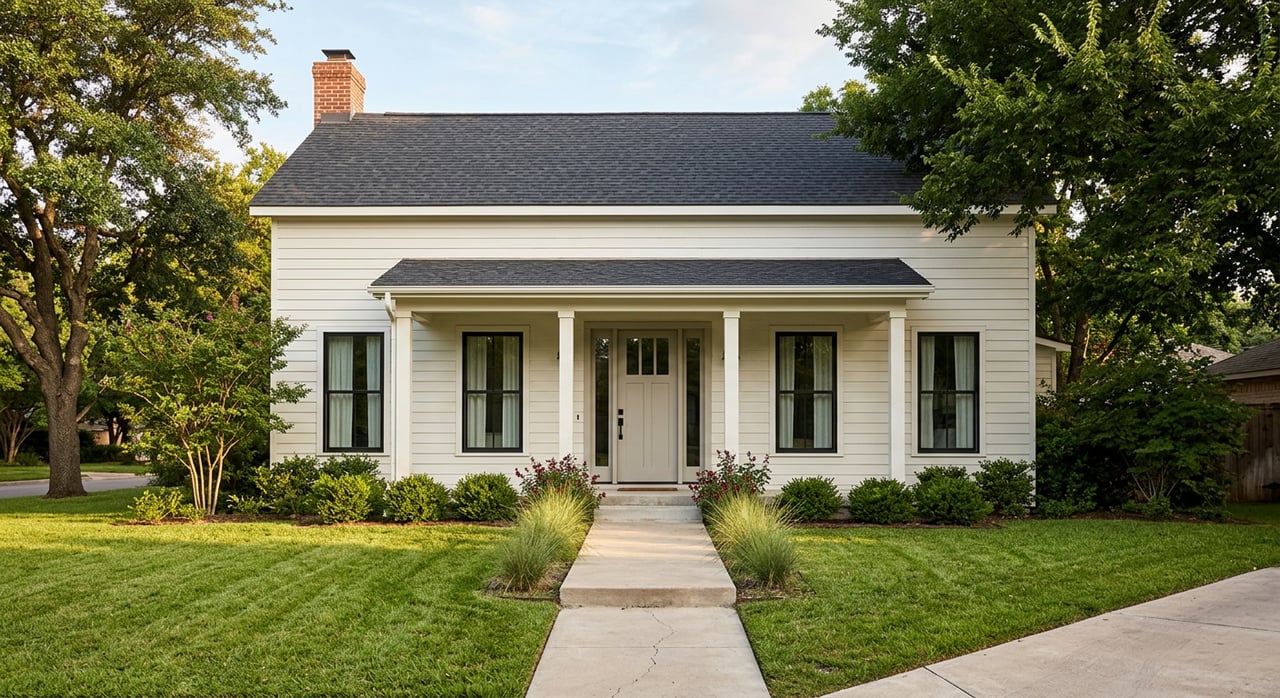
Bastrop also has a wide mix of property types. You may be looking at a downtown historic home, a newer subdivision property, a rural tract, or land with specific utility or septic considerations. A strong Bastrop agent should be able to adjust their advice based on the property, not give you the same answer for every situation.
Your first goal is to learn whether the agent truly knows the Bastrop market. Online estimates can give you a starting point, but they do not always tell the full story.
For example, public data can show different pricing snapshots depending on the source and method. Zillow reported an average Bastrop home value of $349,248 as of January 31, 2026, while Redfin’s Bastrop market data showed a February 2026 median sale price of $289,000, with homes taking about 151 days to sell and receiving about two offers on average. A good agent should be able to explain the difference between average value and median sale price, and tell you which number matters more for your specific property.
These questions help you find out whether the agent relies on generic talking points or can speak clearly about Bastrop-specific conditions.
Not every Bastrop transaction looks the same. That is especially true in an area where you may see historic homes, new construction, acreage, wooded lots, and properties inside or outside city limits.
Bastrop’s planning and development framework includes zoning maps, future land-use maps, character districts, and place types. Rules can differ depending on whether a property is inside city limits, in the ETJ, or in unincorporated county areas. If you are considering a downtown property, the city notes that the Downtown Historic District has the highest preservation and compatibility expectations.
This is where local experience really shows. An agent who knows Bastrop should be able to explain the process in plain language and tell you what matters most for your property type.
In Bastrop, environmental risk questions are not minor details. They can affect insurance costs, lender requirements, resale value, and buyer confidence.
The City of Bastrop provides floodplain information and FEMA map updates, and FEMA says preliminary flood maps are available for review. Bastrop County emergency guidance also continues to stress wildfire preparedness, including defensible space and visible 911 address signage, following the 2011 Bastrop County Complex Fire, which Texas Parks & Wildlife notes was the most destructive wildfire in Texas history.
An experienced local agent should not guess at these answers. They should explain how they confirm the facts and which professionals or public resources they use.
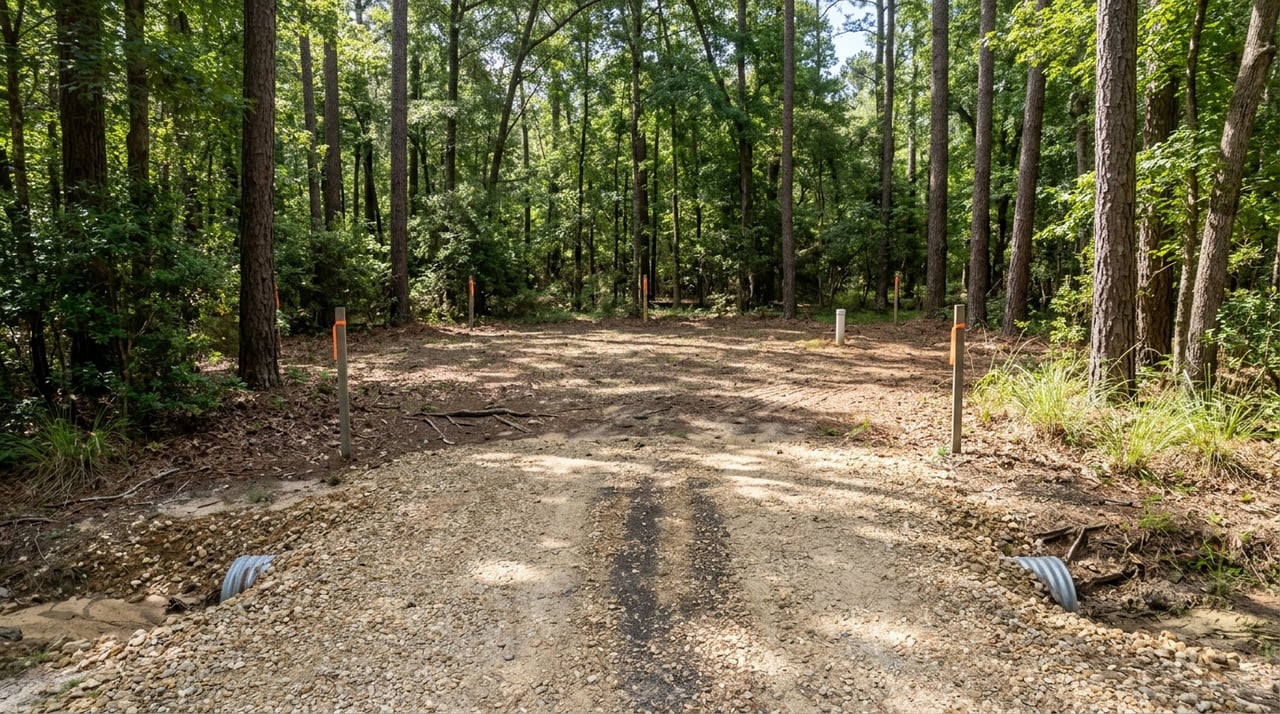
This is one of the biggest areas where local knowledge matters. Many properties in and around Bastrop involve septic systems, land-use questions, and recorded restrictions that may not be obvious from a quick online search.
Bastrop County states that septic installation or modification requires a permit, and the county also handles platting and subdivision applications. Official ownership records and recorded documents are filed with the county clerk, while the county notes that it does not interpret deed restrictions. That means your agent should know how to guide you to the right documents and professionals without making assumptions.
These questions are especially useful for buyers looking at land, wooded lots, or homes on the edge of town.
If school attendance matters to your move, do not rely on old listing details or general assumptions. Boundaries can change, and verification should be part of your due diligence.
Bastrop ISD says it serves more than 13,000 students across 433 square miles, making it one of the largest geographic districts in Texas. The district also provides current school boundary maps and notes that attendance maps can be updated through a formal review process.
A careful agent will treat this as a verification issue, not a casual guess.
If you are selling, you need more than a suggested list price. You need to understand how the agent will position your home in the current Bastrop market and how they will respond if buyer activity is slower than expected.
That is especially important in a market where average values and closed-sale medians can differ, and where days on market may stretch longer for some property types. Your agent should be able to explain their comparable sales strategy, their pricing logic, and how they will present your property to buyers.
For many sellers, presentation matters just as much as price. A thoughtful marketing plan with strong visuals, broad digital exposure, and a clear story about the property can make a meaningful difference.
If you are buying, your agent should help you think beyond the first showing. You want to know how they evaluate timing, value, and risk before they advise you on an offer.
A solid Bastrop agent should be able to explain when it makes sense to move quickly and when patience may be the better move. They should also help you understand how inspection findings, title review, floodplain concerns, septic questions, or utility issues may influence negotiations.
The goal is not to hear the most aggressive advice. It is to hear smart, property-specific guidance.
A great agent can lose your trust fast if communication is inconsistent. In Bastrop, where transactions may involve city and county departments, school boundary checks, flood maps, utility questions, and specialized vendors, clear communication matters a lot.
Bastrop County’s land-division and development processes can require extra coordination, and a good agent should be ready to explain who handles what and when. You should feel confident that updates will be timely and that someone will be available when important decisions need to be made.
The best answer is usually simple, clear, and specific.
When you interview a Bastrop real estate agent, listen for a few key things. First, they should explain local issues clearly without overpromising or guessing. Second, they should tailor their advice to your property type and goals.
Third, they should have a repeatable process for verifying details like floodplain status, septic permits, utility service, school boundaries, and recorded restrictions. Finally, they should communicate in a way that makes you feel informed, not overwhelmed.
If you are buying or selling in Bastrop, asking better questions is one of the smartest ways to protect your time, money, and peace of mind. And if you want a local, client-first perspective on Bastrop homes, land, new construction, or lifestyle properties, connect with Kaili Cox to get started.
Stay up to date on the latest real estate trends.





Get assistance in determining current property value, crafting a competitive offer, writing and negotiating a contract, and much more. Let me guide you through your home-buying journey.

Pine Tree Realty Group
10222 Pecan Park Blvd Ste. 10 Austin, TX 78729