
Bastrop Second Home Buying Tips and Getaway Advice
May 7, 2026
May 7, 2026
Dreaming about a place where you can unplug on the weekends, spend more time outdoors, and still stay connected to Bastrop’s small-town energy? A second home or getaway in Bastrop can offer exactly that, but the right purchase takes more than falling in love with a wooded lot or charming house. If you are thinking about buying here, it helps to understand how location, utilities, land rules, and future rental plans can shape your decision. Let’s dive in.
Bastrop works well as a getaway because it offers more than just a house in a quieter setting. You have access to Bastrop State Park, Buescher State Park, McKinney Roughs Nature Park, the Colorado River, and Lake Bastrop, which gives weekend owners plenty to do without a long planning process every time they visit. Historic Downtown Bastrop also adds dining, shopping, live music, and lodging, which helps the area feel like a true destination.
For many buyers, that mix is the appeal. You can spend one day hiking or fishing, then head into downtown for dinner or a casual evening out. That balance makes Bastrop attractive if you want a home that feels like an escape, not just a backup place to sleep.
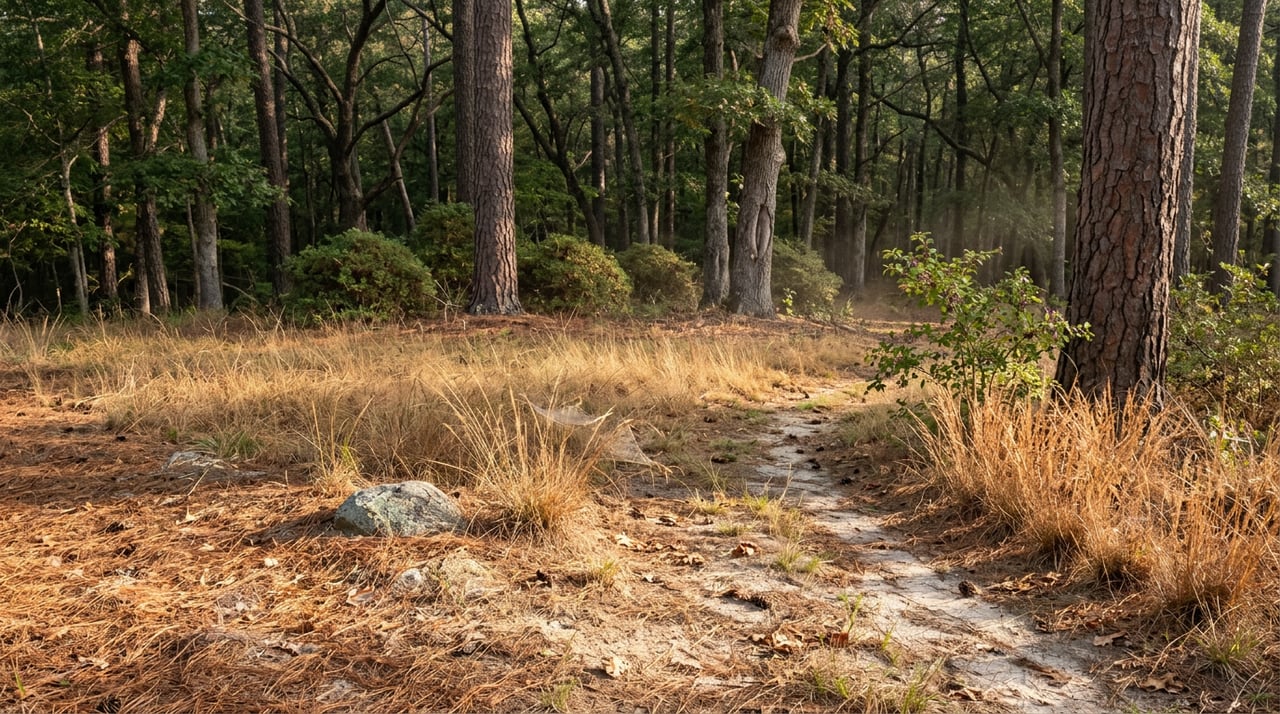
Another part of Bastrop’s appeal is its landscape. The Lost Pines ecosystem is distinct, scenic, and a big reason many buyers are drawn to wooded homesites and nature-oriented properties. At the same time, local park and county information makes it clear that this environment requires active stewardship, especially when it comes to vegetation management and fire awareness.
One of the first things to verify is whether the property is inside the City of Bastrop or in unincorporated Bastrop County. That single detail can affect utilities, permitting, and short-term rental rules. It can also influence what kind of improvements or future use will be easier to manage.
If the home is inside city limits, city utility service may apply. The City of Bastrop handles services that can include water, sewer, electric, and solid waste or recycling support, and Bastrop Power & Light handles outages, customer concerns, street lighting, and new service extensions in its service area.
If the property is outside city limits in unincorporated Bastrop County, the process can look different. The county says buyers should expect development permits, floodplain review, septic or on-site sewage facility permitting, and county 9-1-1 address assignment. The county also notes that it does not issue building permits or certificates of occupancy in the same way a city might.
If you are buying acreage, a wooded homesite, or a lot for a future build, due diligence matters even more. Bastrop County requires a development permit for all development in the unincorporated area, including manufactured homes, recreational vehicles, and tiny homes. If there is no public wastewater system, the county says development and septic permit applications should be submitted together.
That is especially important if you are buying a property because it looks peaceful and private, but you have not yet confirmed how it will function. A beautiful tract may still require additional review for septic placement, floodplain issues, or access. Starting those conversations early can save time, money, and stress.
For land division or build planning, the county recommends a pre-development meeting. The county also notes that subdivision rules differ depending on whether a property sits inside an incorporated city or in the county. If your goal is to buy now and build later, this is one of the smartest steps you can take.
Bastrop’s setting is a major reason people buy here, but it comes with responsibilities. In some areas, the Lost Pines Habitat Conservation Plan may affect what owners can build or clear. The county says the plan can apply to homes, guest houses, pools, driveways, septic systems, water lines, utilities, and land-clearing activity in Houston toad habitat.
Depending on the property and project, there may be compliance steps such as mitigation fees or conservation easements. This does not mean a property is not worth buying. It means you should understand the rules before you commit, especially if you are looking at wooded land with plans for improvements.
A second home tends to sit empty at times, so safety planning matters from day one. Bastrop County emergency guidance recommends visible 9-1-1 address signs, defensible space within 30 feet of the home, accessible water for fire response, annual chimney and heating system inspections, and compliance with burn bans. These are practical steps that can make a real difference when you are not at the property full time.
Flood planning matters too. County guidance says flood insurance is separate from homeowners insurance, available whether or not a structure is in a mapped floodplain, and typically has a 30-day waiting period before coverage begins. If you are buying near the river, on low-lying land, or in an area with drainage concerns, this is worth reviewing early in the process.
Emergency access is another detail that is easy to overlook. Bastrop County notes that a valid, visible address helps 9-1-1 call takers, dispatchers, and emergency responders find the property quickly. In rural areas, address assignment depends on driveway location, which can be especially relevant for homes on larger tracts.
A second home works best when you set up the basics before the first issue comes up. If the property will sit empty for weeks or months at a time, you will want a plan for routine maintenance, emergency response, and vendor access. That is true for any second home, but it is especially important in Bastrop for wooded lots, long driveways, pools, guest cabins, and septic systems.
For homes in the city, utility management may be simpler because services are centralized through the city. For more rural properties, your key relationships may include septic maintenance, landscaping and brush management, pest control, HVAC service, cleaning, and a trusted local contact who can meet vendors or check on the property after storms.
The smartest approach is to line up service providers before closing rather than after the first problem appears. That gives you a smoother handoff into ownership and can help you enjoy the property more from the start.
Some buyers want a personal getaway that can also generate occasional rental income. If that is your plan, make sure you understand Bastrop’s local short-term rental framework before you buy. In the City of Bastrop, the city says its short-term rental ordinance became fully effective on April 26, 2025.
The city requires all short-term rentals to be registered, with yearly renewals. The application requires a 24/7 local contact, proof of tax payments, safety information, and platform information, and the city says the application fee is $25. The city also indicates that each individual rental structure on a property needs its own registration.
Taxes matter too. Bastrop County says Hotel Occupancy Tax applies to stays of less than 30 consecutive days, and the local rate depends on where the property is located. Outside city limits and outside the ETJ, the county rate is 7% on top of the state 6%. Inside city limits or the ETJ, the county rate is 0.75% and the city adds 7%.
The county also notes that platforms such as Airbnb and HomeAway collect the state portion, but not local taxes, which means the owner is responsible for collecting and remitting the local share. The county further says HOT applies to the room rate and certain fees, including cleaning and pet fees. If rental income is part of your strategy, it is smart to review compliance, tax handling, insurance, and ownership structure with a CPA and attorney before you move forward.
Property taxes are another area where second-home buyers should be careful. Bastrop CAD says a residence homestead must be owned and occupied as of January 1, used as the principal residence, and not claimed on another property. In simple terms, a second home or getaway should not be treated as if it automatically qualifies for a homestead exemption.
If the property later becomes your primary residence, exemption filing goes through the appraisal district. That change can matter over time, but it should not be part of your plan unless the home truly becomes your principal residence.
The best second-home purchase is not just about finding a pretty property. It is about matching the home to how you actually plan to use it. In Bastrop, that means looking at lifestyle appeal and the behind-the-scenes details at the same time.
As you narrow your options, focus on questions like these:
When you answer those questions early, you can shop with more confidence and avoid buying a home that creates more work than relaxation.
Bastrop has a lot to offer second-home buyers, from river access and state parks to charming downtown amenities and scenic wooded settings. The key is making sure the property fits both your lifestyle and the local rules that come with owning here. If you want guidance on Bastrop homes, lifestyle lots, or wooded getaway properties, Kaili Cox can help you search with a local, practical perspective.
Stay up to date on the latest real estate trends.

Get assistance in determining current property value, crafting a competitive offer, writing and negotiating a contract, and much more. Let me guide you through your home-buying journey.

Pine Tree Realty Group
10222 Pecan Park Blvd Ste. 10 Austin, TX 78729