Step-By-Step Guide To Selling An East Austin Home
May 28, 2026
May 28, 2026
Selling an East Austin home can feel simple at first, until you start asking the real questions. How should you price it? What should you fix first? How long could it take to sell in today’s market? If you want a smoother sale and fewer surprises, it helps to follow a clear plan from the start. Let’s dive in.
Before you make repairs or pick a list price, you need a realistic view of the market around you. In April 2026, the City of Austin had a median residential sale price of $573,750, 4.5 months of inventory, and a 94.9% average close-to-list-price ratio. Travis County looked different at $505,000, 4.8 months of inventory, and a 94.6% close-to-list ratio.
That gap matters because East Austin does not always move like Austin as a whole. Redfin’s March 2026 neighborhood data showed East Austin at a median sale price of $500,175 with 83 days on market, while Central East Austin was at $618,000 with 65 days on market. In other words, neighborhood-level pricing and timing can vary a lot, even within the same part of town.
Austin has also been described as a buyer’s market in 2026. That does not mean your home will not sell. It does mean pricing and presentation matter early, especially when buyers have more options.
Many sellers want to hit the spring market, and that makes sense. Spring is often the most relevant planning window for Austin sellers, but it is not a promise of a fast sale. The best listing window depends on your home, your block, and what nearby listings are doing at the same time.
It is also smart to start sooner than you think. Realtor.com found that 53% of sellers took one month or less to get ready to list, but prep often takes longer once you add cleaning, repairs, paperwork, and photos. If you wait until the last minute, you may miss the window you hoped to target.
One of the first steps in Texas is preparing the Seller’s Disclosure Notice. The Texas Real Estate Commission says this form covers material facts and the physical condition of a previously occupied single-family home. For many East Austin sellers, this should be handled early so you are not rushing once showings begin.
If your home was built before 1978, there is another key step. Federal lead-based paint disclosure rules require sellers to disclose known lead hazards, provide the required pamphlet, and allow buyers a 10-day period to conduct a lead inspection or risk assessment. Older East Austin homes can fall into this category, so it is worth checking the build year right away.
You should also gather manuals, warranties, and any records for major systems or updates. These details can help answer buyer questions and make the closing process feel more organized.
You do not need to renovate your home to sell it. NAR’s consumer guidance says cosmetic updates are not required, which is good news if you are trying to keep costs under control. Buyers are often more focused on major condition issues than on whether every finish is brand new.
A practical approach is to focus on repairs that affect condition, function, or buyer confidence. Think roofing concerns, HVAC issues, plumbing leaks, electrical problems, or anything else that could raise red flags during a buyer inspection. Even if you choose not to make every repair, getting cost estimates can help you price and negotiate more confidently.
A pre-listing inspection can also help you spot issues before a buyer does. It is not required, and it does not replace the buyer’s own inspection, but it can reduce surprises. If you know what needs attention before you list, you can decide whether to repair it, disclose it, or price with that condition in mind.
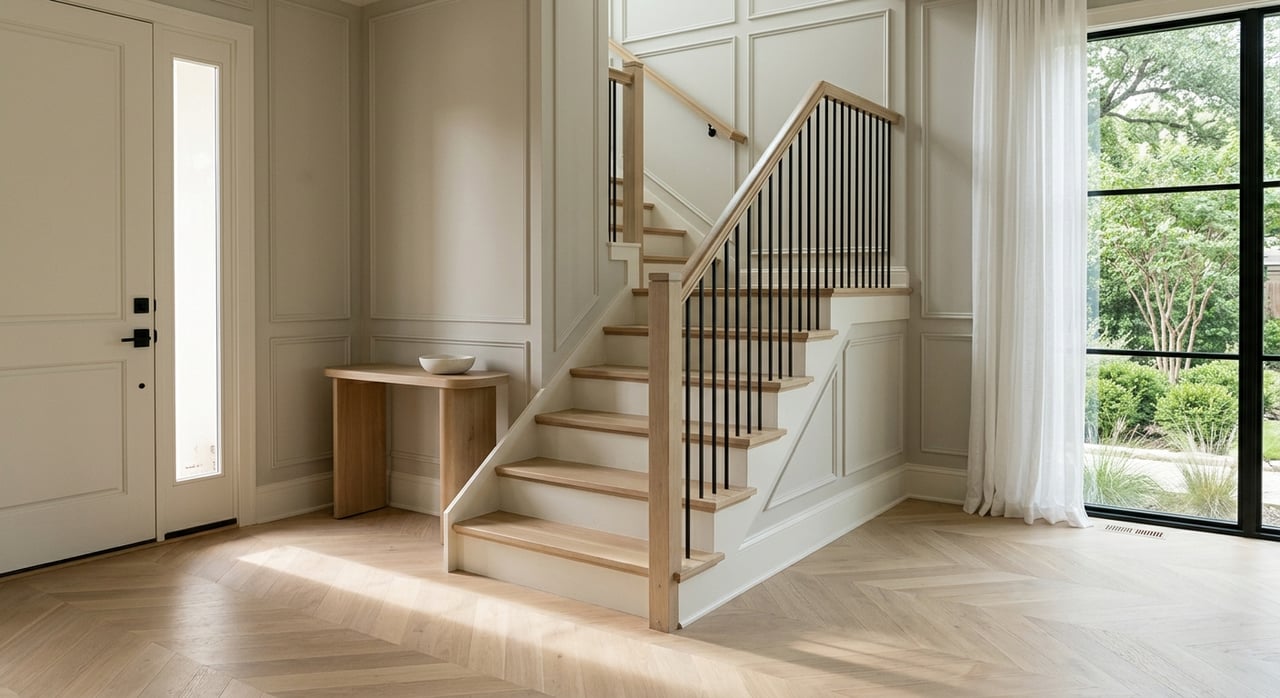
This is where small steps can make a big difference. NAR recommends cleaning windows, carpets, lighting fixtures, and walls, reducing clutter, and improving curb appeal before listing. You do not need perfection, but you do want buyers to see the space, light, and layout clearly.
Decluttering matters even more in photos than it does in person. Cameras tend to magnify crowded surfaces, awkward furniture placement, and visual distractions. If your home looks calm and well cared for online, buyers are more likely to book a showing.
Staging can also help. NAR’s 2025 profile found that 83% of buyers’ agents said staging made it easier for buyers to picture a property as a future home. It also found that 29% of sellers’ agents said staging increased the dollar value offered by 1% to 10%.
Most buyers will meet your home online before they ever step through the door. That is why high-resolution photos and video tours matter so much. In a market where buyers have choices, your listing needs to stand out for the right reasons.
NAR says buyers who like what they see online expect the home to look the same in person. That means your home should stay show-ready after the photo shoot, not just for one day. If your listing presentation is strong from the beginning, you create better momentum in the first days on market.
For East Austin homes, strong visuals can help tell a clearer story about the property. That might mean highlighting natural light, an updated kitchen, a detached studio, outdoor living space, or the lot itself. The goal is not to oversell. It is to help buyers understand the home quickly and accurately.
Pricing is one of the most important decisions you will make. In a buyer-favored market, overpricing can slow your momentum and lead to price reductions later. Buyers today are comparing your home against everything else they see online, and they notice when a listing feels out of step with the market.
That is why neighborhood comps matter more than broad city averages. While Austin’s citywide numbers provide helpful context, East Austin and Central East Austin showed different median prices and days on market in March 2026. Your list price should reflect recent comparable sales, current competition, condition, and the specific location of your home.
It is also helpful to set expectations around the final sale price. In April 2026, the average close-to-list-price ratio was 94.9% in the City of Austin and 94.6% in Travis County. That does not predict your exact result, but it does suggest that strategic pricing is more effective than aiming high and hoping buyers stretch.
Once your home is live, showing logistics matter. You want buyers to access the home easily, but you also want to protect your privacy and security. Before showings begin, remove valuables, personal papers, medications, and weapons from view.
Many real estate professionals also use showing instructions that request pre-qualified or properly identified buyers. That helps create a smoother and safer process. A clean, secure, and easy-to-show home usually performs better than one with last-minute confusion or constant restrictions.
The highest offer is not always the strongest offer. Price matters, of course, but you should also look at financing, contingencies, repair requests, timelines, and the buyer’s overall ability to close. A cleaner offer can sometimes lead to a better net result and less stress.
This is especially important in a market where many sellers still hope for asking price or more, but buyer leverage remains real. Realtor.com’s 2026 seller survey found that 83% of would-be sellers expected to get asking price or more. At the same time, market analysis pointed to the value of competitive pricing from the start.
If your home does not sell as quickly as expected, it is smart to respond with data instead of frustration. A thoughtful price adjustment or a change in presentation is often more effective than simply waiting and hoping the market shifts.
After you accept an offer, the process is not over. If the buyer is using financing, the lender will usually order an appraisal. NAR notes that appraisals rely on recent comparable sales and represent a professional opinion of value, not an exact science.
This is one reason strong pricing at the start matters so much. If the home is priced well and supported by recent sales, you reduce the odds of appraisal problems. If the appraisal comes in lower than the contract price, the next step may involve renegotiation.
You should also expect the buyer to conduct an inspection in many cases. Even if you had a pre-listing inspection, the buyer may still order their own. That is normal, and it is another reason to address major issues before listing whenever possible.
Closing is more than a signing date on the calendar. The Consumer Financial Protection Bureau says the loan closing and home purchase closing typically happen at the same time, and the process may involve a title insurance company and an escrow company. There are moving parts, deadlines, and documents to coordinate.
As the closing date gets closer, you may need to complete agreed repairs, confirm move-out timing, and provide final property details. Keeping paperwork organized and responding quickly can help prevent delays. A well-managed closing feels much easier than a rushed one.
This is one of the biggest questions East Austin sellers ask. Current market context can help, but no one can promise an exact timeline. Redfin’s March 2026 data showed East Austin averaging 83 days on market, while Austin citywide averaged 58 days.
That difference is a good reminder to stay local in your expectations. Your timing will depend on price, condition, marketing, and your exact location within East Austin. A well-prepared home can still stand out, but it helps to plan for a process rather than assume an instant sale.
If you want the short version, here it is. In today’s market, your best results usually come from doing the basics well and doing them early. That means smart prep, honest disclosures, strong visuals, realistic pricing, and a smooth showing and closing process.
East Austin has meaningful neighborhood variation, so broad Austin headlines only tell part of the story. A step-by-step plan built around your specific home gives you a better chance to attract serious buyers and move forward with confidence.
If you’re thinking about selling and want neighborhood-level guidance, premium listing presentation, and a client-first approach, reach out to Kaili Cox to request a free home valuation.
Stay up to date on the latest real estate trends.


Get assistance in determining current property value, crafting a competitive offer, writing and negotiating a contract, and much more. Let me guide you through your home-buying journey.

Pine Tree Realty Group
10222 Pecan Park Blvd Ste. 10 Austin, TX 78729