East Austin vs. Bastrop Lifestyle: Which Fits You?
April 23, 2026
April 23, 2026
Trying to choose between East Austin and Bastrop? You are not alone. Many buyers want the energy and convenience of Austin, but they also want space, outdoor access, and a housing budget that feels more manageable. This guide will help you compare the East Austin to Bastrop lifestyle so you can decide which setting better fits your daily routine, priorities, and long-term plans. Let’s dive in.
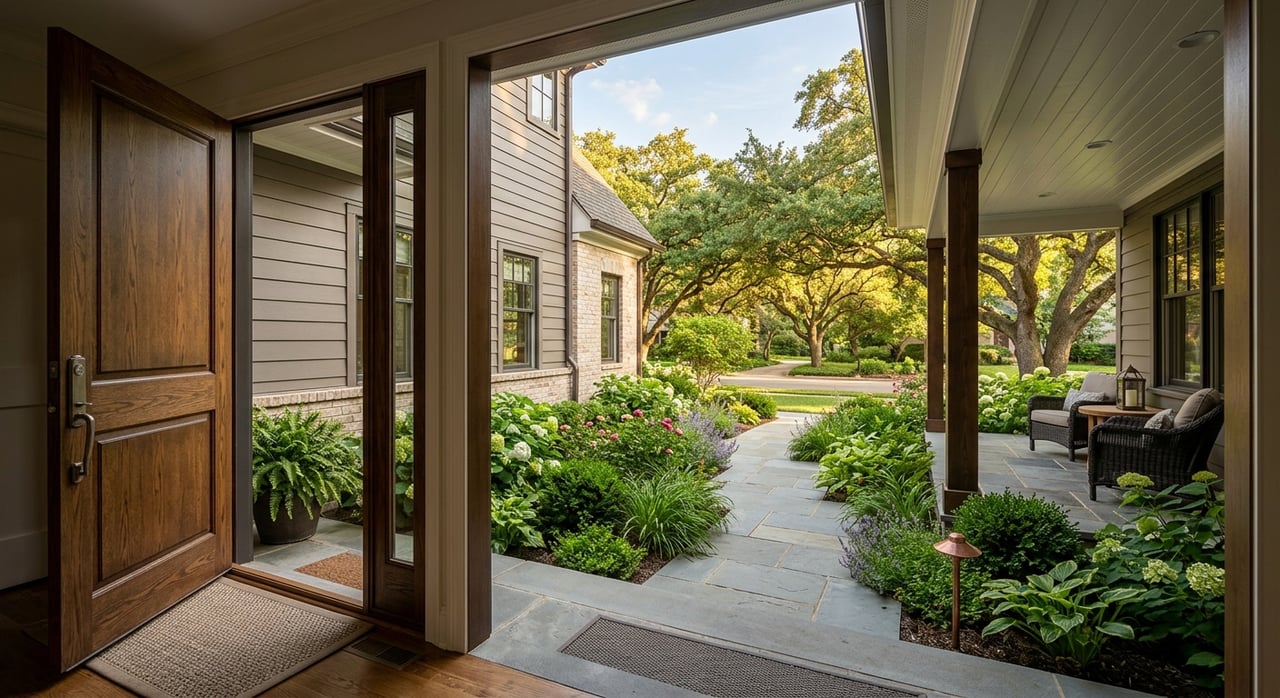
East Austin and Bastrop offer two very different living experiences, even though they are closely connected by regional roads and commuter patterns. In simple terms, East Austin feels more urban, more connected to central-city destinations, and more compact, while Bastrop feels more spacious, more outdoor-oriented, and more rooted in a small-town setting.
According to the City of Austin’s East Cesar Chavez district page, East Austin includes one of Austin’s oldest districts and carries a long-standing cultural identity. Bastrop, by contrast, is centered around a preserved historic downtown through the City of Bastrop Main Street program, with the broader area shaped by riverfront parks and the Lost Pines landscape.
If you want to stay close to major Austin destinations, East Austin offers that in a big way. The Tejano Trails program places East Austin near downtown, Lady Bird Lake, East Sixth, the Convention Center, and the Rainey Street area.
That means your day-to-day routine may include shorter trips to core Austin attractions, restaurants, entertainment areas, and waterfront spaces. For buyers who value an in-town feel and want to stay connected to the city’s central activity, that can be a major draw.
East Austin is not just close to downtown. It also carries a historic identity that sets it apart from newer suburban growth areas. The East Cesar Chavez district is recognized by the city as one of Austin’s oldest districts, which adds a sense of place that many buyers appreciate.
From a housing and lifestyle perspective, East Austin tends to feel denser and more mixed. U.S. Census QuickFacts shows Austin at 3,006.4 people per square mile, which reinforces that more urban pace and closer-built environment.
Urban living does not mean giving up green space. In East Austin, the Little Walnut Creek Greenbelt covers 206 acres and includes a trailhead, play area, and dog off-leash area.
The city also notes that the Walnut Creek Trail System is planned as a 19-mile network connecting East Austin to North Austin. If you want trail access without moving far from the city, that is a meaningful part of the East Austin lifestyle.
If East Austin feels fast-moving and city-centered, Bastrop often feels like the opposite. Buyers are often drawn to Bastrop for a little more breathing room, a more lot-oriented housing feel, and stronger access to outdoor recreation.
U.S. Census QuickFacts shows Bastrop city at 1,050.3 people per square mile, far lower than Austin. That lower density helps explain why many buyers experience Bastrop as more spacious and less compressed.
Bastrop’s identity is tied closely to its historic downtown. The Main Street program focuses on protecting and promoting that district, which supports a walkable core with a distinct sense of history and community character.
For many buyers, that creates a different type of convenience than East Austin offers. Instead of being near the center of a major city, you are living near a smaller downtown environment that feels more locally scaled.
One of Bastrop’s biggest lifestyle advantages is outdoor access. The city notes that Fisherman’s Park is its most popular park and serves as a starting point for both the El Camino Real Paddling Trail and the June Hill Pape Riverwalk Trail.
Beyond city parks, Bastrop State Park is about 32 miles east of Austin and offers cabins, camping, swimming, hiking, fishing, and seven miles of trails through the Lost Pines. Buescher State Park sits nearby, and Lake Bastrop adds 900 surface acres for water sports. Bastrop County also maintains free public spaces such as the Bastrop County Nature Park along the Colorado River.
If your ideal weekend includes paddling, hiking, camping, or simply being near nature, Bastrop clearly has a strong advantage.
When you compare East Austin and Bastrop, commute patterns matter. The main eastbound route is SH 71, which TxDOT identifies as a key corridor for travel between Austin-Bergstrom International Airport, Bastrop, and other Central Texas communities.
TxDOT is actively improving the corridor as growth increases congestion, which tells you something important. This is a highly used route, and it plays a central role for commuters moving between Bastrop and Austin.
Census data in the research shows average commute times of 23.7 minutes in Austin city, 30.0 minutes in Bastrop city, and 35.4 minutes in Bastrop County. In practical terms, Bastrop often means a longer drive in exchange for more space and a different lifestyle setting.
If your work, social life, or routine is centered in Austin, East Austin can reduce the amount of time you spend on the highway. If you are willing to trade commute time for larger lots, more detached-home options, and outdoor access, Bastrop may feel like a better fit.
Austin’s housing profile supports the idea that East Austin is more urban and more cost-intensive. U.S. Census QuickFacts reports Austin’s median owner-occupied home value at $555,300, median gross rent at $1,729, and owner-occupied housing rate at 43.4%.
Those numbers point to a city with higher values, higher rents, and a more mixed housing environment. For you as a buyer, that can mean stronger competition for in-town access and less space for the price compared with Bastrop.
Bastrop city presents a different picture. Census data shows a median owner-occupied home value of $339,600, median gross rent of $1,443, and an owner-occupied rate of 56.1%.
That mix generally supports a more detached-home, ownership-oriented feel. If you are looking for single-family homes, more yard space, or a lot-oriented property search, Bastrop often aligns better with those goals.
The biggest difference between East Austin and Bastrop comes down to urban convenience versus space and outdoor lifestyle. East Austin gives you a stronger connection to the center of Austin and its surrounding destinations. Bastrop gives you more room, a different pace, and easier access to natural amenities.
Neither option is universally better. The right choice depends on how you want your everyday life to feel, how often you need to commute, and what kind of home setting matters most to you.
If you are weighing East Austin against Bastrop, working with someone who understands both the commuter realities and the lifestyle differences can make the search much easier. Whether you are looking for a single-family home, land, a lifestyle lot, or new construction in the eastern Austin corridor, Kaili Cox can help you compare your options and make a confident move.
Stay up to date on the latest real estate trends.
Get assistance in determining current property value, crafting a competitive offer, writing and negotiating a contract, and much more. Let me guide you through your home-buying journey.

Pine Tree Realty Group
10222 Pecan Park Blvd Ste. 10 Austin, TX 78729